
In today’s digital age, technology is a cornerstone of K–12 education. From classroom devices to administrative systems, Michigan school districts rely heavily on IT infrastructure to deliver instruction, maintain student records, and ensure operational efficiency. However, without a systematic evaluation, districts risk cybersecurity threats, compliance violations, and inefficient technology use.
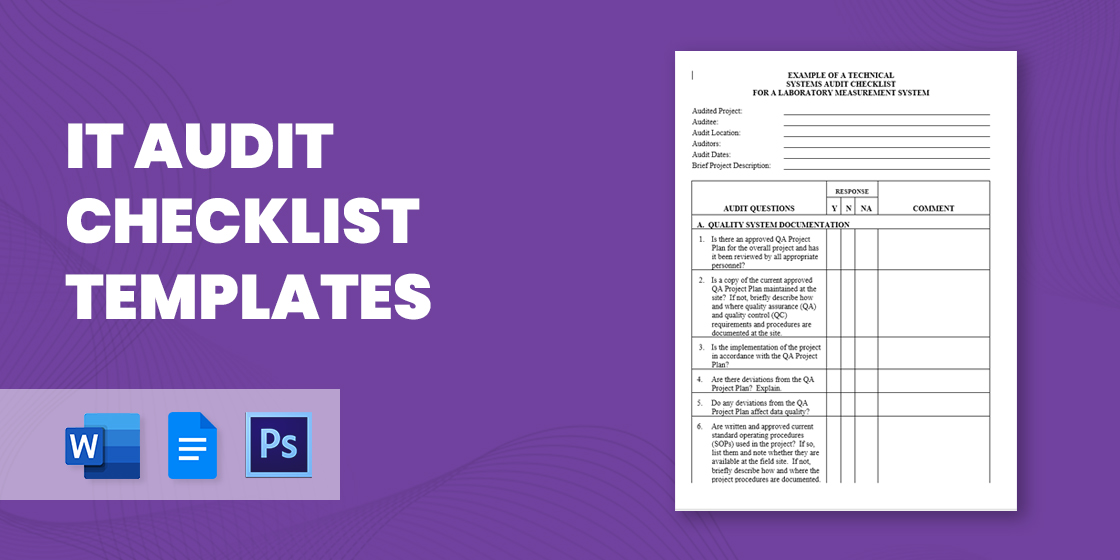
A comprehensive technology audit helps districts assess their technology ecosystem, identify vulnerabilities, and align IT investments with both educational and operational goals. This guide provides a structured checklist tailored specifically for Michigan K–12 districts.
1. Governance & Strategic Alignment
Purpose: Ensure that technology decisions align with district goals and comply with state and federal regulations.
Checklist Items:
- Documented district technology plan aligned with instructional and operational objectives
- IT governance roles and responsibilities clearly defined
- Board-approved acceptable use policies (AUP) and technology policies
- Annual policy and plan review process
- Budgeting and lifecycle planning for IT assets
2. IT Infrastructure & Network Systems
Purpose: Evaluate reliability, scalability, and security of network systems.
Checklist Items:
- Network topology and device inventory
- Internet bandwidth and redundancy
- Firewall configuration and monitoring
- Secure Wi-Fi with WPA3 encryption
- VLAN segmentation for students, staff, and guests
- Patch management and firmware updates
- Uninterruptible power supply (UPS) and disaster recovery readiness
3. Cybersecurity & Data Protection
Purpose: Protect sensitive student, staff, and district data from cyber threats.
Checklist Items:
- Multi-factor authentication (MFA) for administrators and staff
- Endpoint detection and monitoring systems
- Regular vulnerability scans and penetration testing
- Incident response plan and testing
- Data encryption at rest and in transit
- Backup verification (including offline and cloud backups)
- Staff training on phishing and cyber threats
Compliance Considerations:
- Adherence to the Family Educational Rights and Privacy Act (FERPA)
- Compliance with the Children’s Internet Protection Act (CIPA)
- Michigan-specific student data privacy requirements
4. Student Information & Administrative Systems
Purpose: Ensure core systems are secure, integrated, and properly managed.
Checklist Items:
- Role-based access and permissions for Student Information Systems (SIS)
- Security review of HR, payroll, and finance systems
- Vendor agreements and data privacy policies
- Data retention and destruction procedures
- Integration between SIS, Learning Management Systems (LMS), and assessment platforms
5. Instructional Technology & Digital Learning
Purpose: Evaluate the effectiveness of classroom technology in supporting learning.
Checklist Items:
- Inventory of student and classroom devices (1:1 programs, carts, labs)
- Device lifecycle and replacement plan
- LMS and digital tool usage analytics
- Accessibility compliance (WCAG standards)
- Teacher professional development in technology
- Digital equity planning for students lacking home internet access
6. Asset Management & Inventory Control
Purpose: Maintain accountability and reduce loss or misuse of technology assets.
Checklist Items:
- Centralized asset inventory system
- Barcode or RFID tagging of devices
- Check-in/check-out procedures
- Annual physical inventory verification
- Secure disposal of retired devices, including data wiping
7. Business Continuity & Disaster Recovery
Purpose: Minimize disruption to learning and operations during emergencies.
Checklist Items:
- Documented Disaster Recovery (DR) plan
- Recovery Time Objectives (RTO) and Recovery Point Objectives (RPO) defined
- Offsite and cloud-based backups
- Annual DR testing and plan validation
- Emergency communication protocols
8. Staffing & Capacity
Purpose: Ensure the district has sufficient IT staff and skills to support technology needs.
Checklist Items:
- IT staff-to-device ratio analysis
- Help desk procedures and service level agreements (SLAs)
- Ongoing staff training and cybersecurity awareness
- Cross-training for critical systems support
- Succession planning for key IT roles
9. Risk Assessment & Continuous Improvement
Purpose: Transition from reactive technology management to proactive strategic planning.
Checklist Items:
- Annual risk assessment report
- Cybersecurity maturity benchmarking
- KPI tracking for system uptime, incidents, and response times
- Continuous improvement roadmap
- Executive-level reporting dashboard
Why Michigan K–12 Districts Need a Technology Audit
Michigan districts face rising cybersecurity threats, compliance obligations, and budget constraints. A comprehensive technology audit allows districts to:
- Reduce risk of data breaches and ransomware attacks
- Improve reliability of instructional technology
- Ensure compliance with federal and state regulations
- Make informed decisions on IT investments
- Build stakeholder confidence in the district’s technology systems
By following this checklist, Michigan K–12 districts can proactively strengthen technology infrastructure, safeguard student data, and enhance learning outcomes.